
If you’ve ever driven past a home and thought, “Wow, that landscaping looks amazing,” chances are it wasn’t just the plants—it was how they were layered.
Plant layering is one of the simplest and most effective ways to make your yard look professionally designed, even if you’re working with a small space or a modest budget.
Instead of everything sitting at the same height, layered landscaping creates depth, texture and flow that naturally draws the eye toward your home.
In this guide, you’ll learn exactly how to layer plants for landscaping, step by step, so you can create curb appeal that looks intentional, polished and inviting.
What Is Plant Layering in Landscaping?
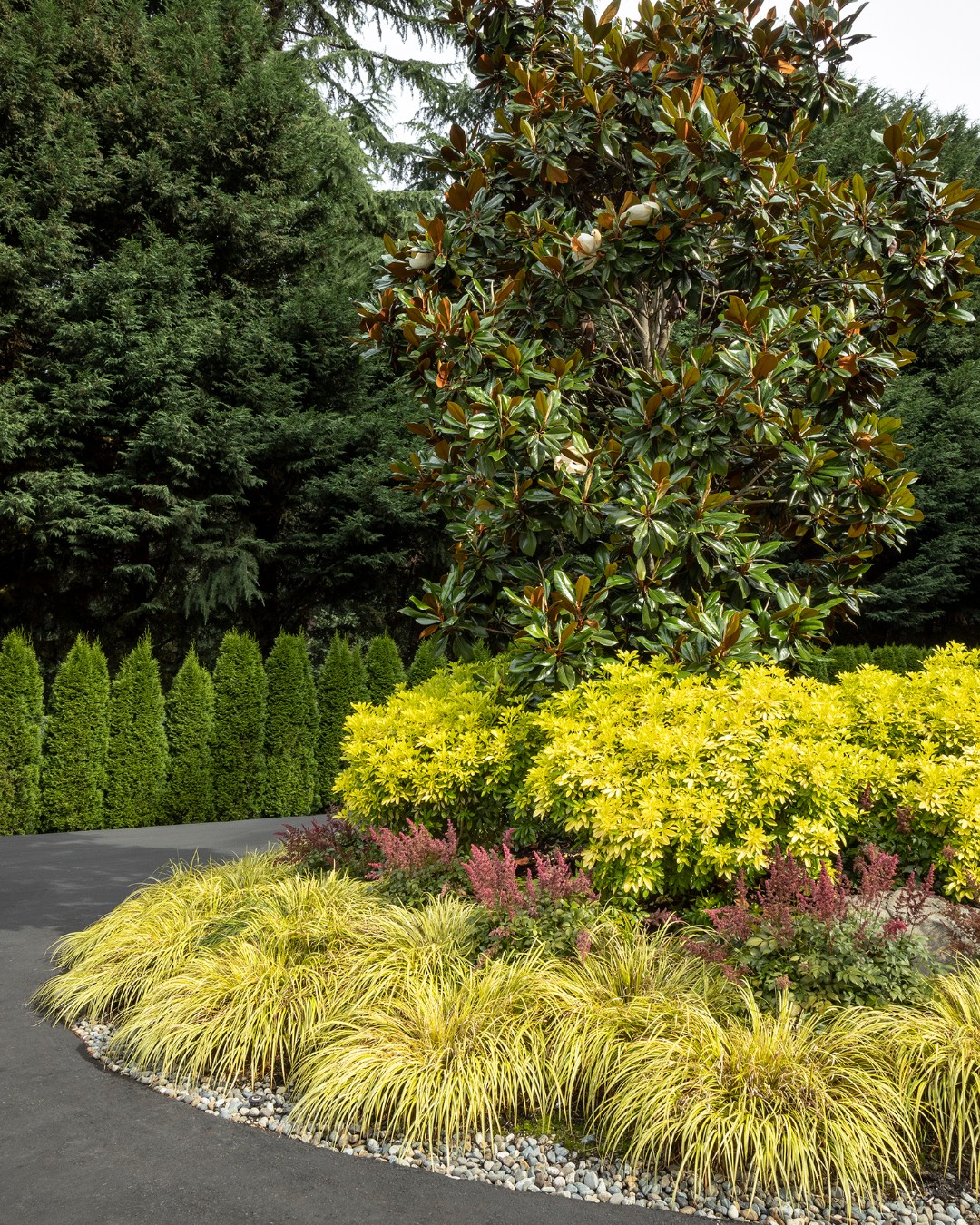
Plant layering is a landscaping technique that arranges plants by height, typically moving from taller plants in the back to shorter plants in the front.
This approach mirrors how plants grow in nature and results in a landscape that feels balanced, natural, and visually rich.
When done correctly, layered landscaping:
- Makes your yard look larger and more cohesive.
- Adds year-round interest.
- Improves curb appeal and perceived home value.
- Reduces visible gaps and suppresses weeds over time.
Instead of random plant placement, layering ensures every plant has a purpose and works together as part of a unified design.
5 Essential Layers of a Well Designed Landscape
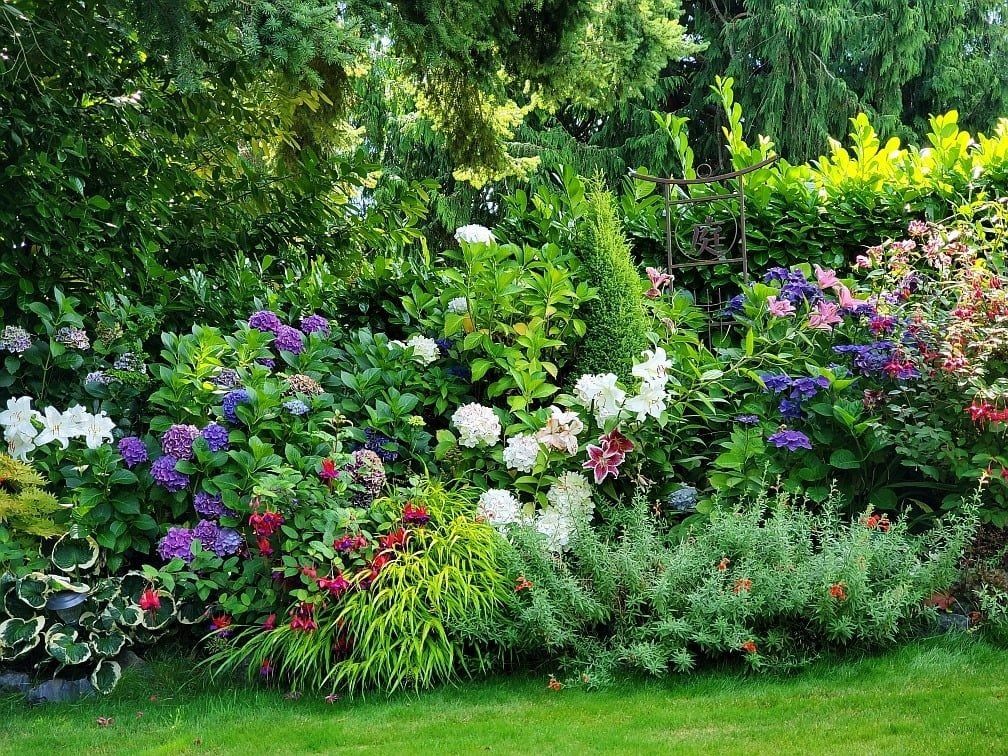
1. Canopy Layer (25+ Feet)
This canopy layer consists of your largest trees—such as oaks, maples, elms, or pines. These trees define the scale of your landscape and provide shade, structure, and a sense of maturity.
Tip: Always research the tree’s mature height and spread before planting, especially near your home. A tree that looks perfect today can overwhelm your house in 15 years if it’s not properly sized.
In smaller yards, this layer may be minimal or replaced with ornamental trees.
Also Read:
- Best Foundation Plants For The Front Of Your House
- Small Trees With Non-Invasive Roots For Front Yard Or Backyard
2. Understory Layer (8–25 Feet)
The understory layer includes small ornamental trees such as dogwoods, redbuds, and crape myrtles and large shrubs like viburnums. These plants sit beneath the canopy and help transition from tall trees to lower plantings.
This layer adds seasonal interest through flowers, fall color, or decorative bark and helps soften the overall look of the landscape.
3. Shrub Layer (3–8 Feet)
This is the backbone of most front yard landscapes. Shrubs such as hydrangeas, boxwoods, azaleas, and hollies provide mass, shape, and structure—even when nothing is blooming.
Pro tip: Avoid planting shrubs too close to your foundation. Most shrubs need 3–6 feet of space to grow properly and maintain good airflow.
Evergreen shrubs are especially valuable here because they provide structure year-round.
4. Herbaceous Layer (6 Inches–3 Feet)
This layer includes perennials, ornamental grasses, and seasonal flowering plants. It’s where most of the color and texture comes from.
Popular choices include hostas, coneflowers, black-eyed Susans, daylilies, ferns, and salvia. Because these plants change throughout the seasons, they keep your landscape from looking flat or boring.
This layer does much of the “visual work” and is often what people notice first.
5. Ground Cover Layer (Under 6 Inches)
Ground covers are low-growing plants that fill gaps, suppress weeds, and create clean transitions between beds.
Options like creeping thyme, pachysandra, vinca, sedum, or ornamental mulch alternatives help reduce maintenance while making beds look finished and intentional.
Ground covers are especially helpful if you want a low-maintenance landscape that still looks polished.
How to Plan a Layered Landscape (Before You Plant Anything)
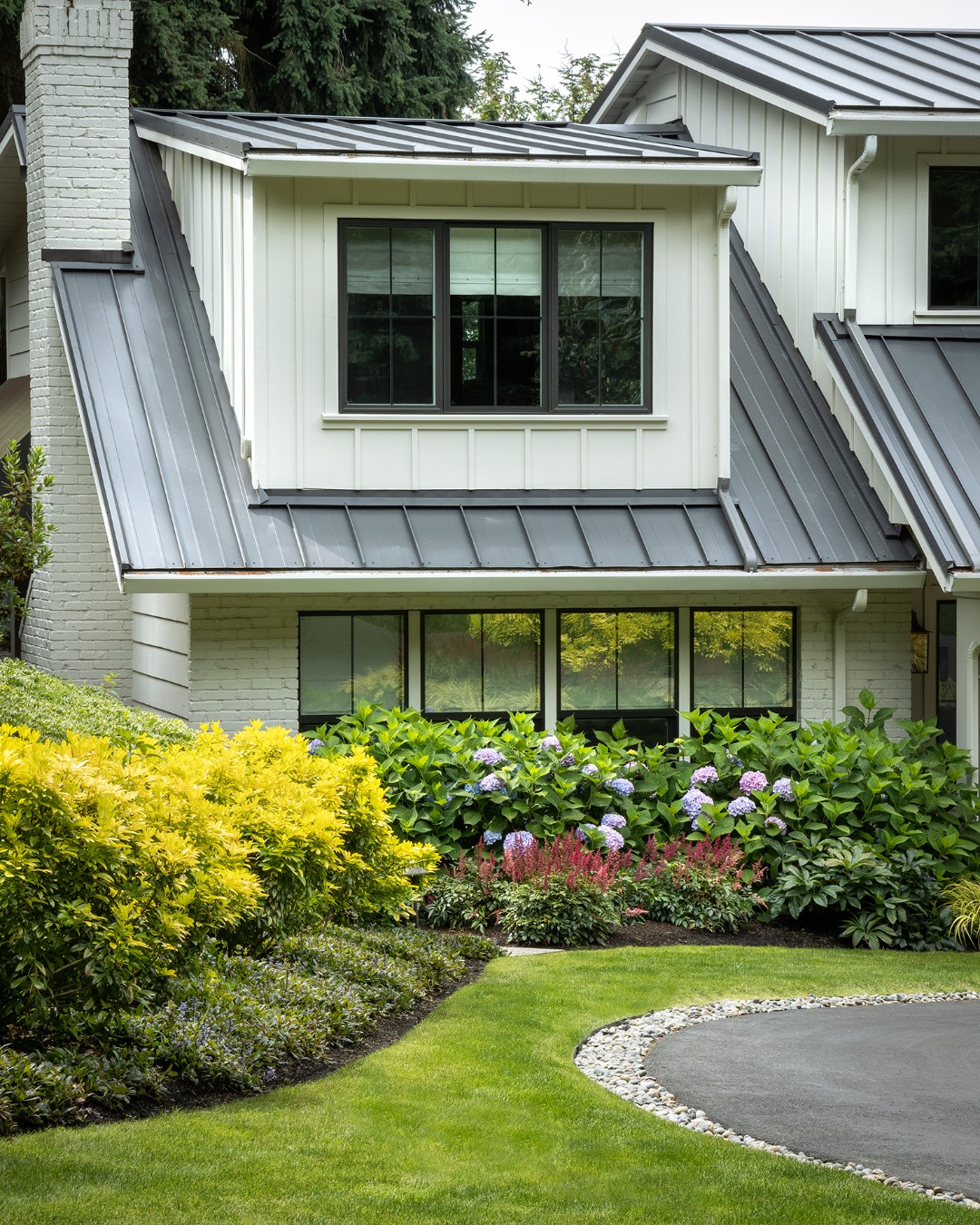
Before you head to the garden center, take a little time to observe your yard.
Ask yourself:
- Where is the sun in the morning vs. afternoon?
- Which areas stay shaded most of the day?
- Does water drain well or collect in certain spots?
Homes often create microclimates. A south-facing foundation bed may need heat-tolerant plants, while a north-facing area may require shade-loving varieties. Planning around these conditions prevents plant failure and saves money in the long run.
Building Your Foundation Layer: Trees and Large Shrubs
Selecting Statement Trees
Your tallest plants set the scale and character of your landscape. Choose trees that match your climate, soil conditions, and available space.
Think long-term. A tree that looks perfectly sized today should still complement your home decades from now. Evergreen trees provide year-round structure, while deciduous trees offer seasonal interest through flowers and fall color.
Position trees to frame your home rather than block important windows or architectural details.
Strategic Shrub Placement
Large shrubs help anchor the landscape and visually connect your home to the yard. Select varieties that complement your home’s architectural style and exterior colors.
Avoid the common mistake of crowding shrubs against the foundation. Giving plants room to grow naturally reduces pruning needs and improves airflow, which keeps plants healthier.
The Critical Middle Layer: Medium Shrubs and Ornamental Grasses
Choosing Complementary Shrub Varieties
Medium-sized shrubs (3–5 feet tall) create the visual bridge between large foundation plants and smaller foreground elements.
Choose shrubs with contrasting leaf shapes and textures to add depth. Plant shrubs in groups of three or five rather than as single specimens.
Grouping creates visual mass that reads better from the street and feels more intentional.
Incorporating Ornamental Grasses
Ornamental grasses add movement and softness to a landscape. Varieties like fountain grass, feather reed grass, and switchgrass sway in the breeze and catch light beautifully.
Position grasses where morning or evening sun can highlight their texture and seed heads. Their seasonal progression—from fresh spring growth to dramatic fall color—extends interest beyond flowering periods.
Creating Impact with Foreground Layers
Perennial Color Blocks
The foreground is where you can make the biggest visual statement. Group five to seven plants of the same variety to create bold color blocks that stand out from a distance.
Choose perennials with overlapping bloom times so there’s always something happening. Mixing early, mid, and late-season bloomers ensures continuous interest.
Strategic Ground Cover Selection
Ground covers serve both functional and aesthetic purposes. Some suppress weeds, others soften hard edges or cascade over borders.
Choose varieties based on how quickly they spread and how much maintenance you want. Aggressive spreaders work well for large areas, while slower growers are better for tight spaces.
Using Color and Texture Like a Pro
Here’s an easy design rule designers love:
The 60-30-10 Rule:
- 60% main colors (greens, dominant foliage)
- 30% secondary colors
- 10% accent colors for pops of interest
Cool colors (blues, purples) recede visually and work well in the background. Warm colors (reds, oranges, yellows) move forward and shine in the foreground.
Texture matters just as much. Mix:
- Fine textures (grasses, ferns)
- Medium textures (hostas, hydrangeas)
- Coarse textures (large-leaf plants as accents)
Contrast is what keeps things interesting—even when nothing is blooming.
Container Plants: The Bonus Layer
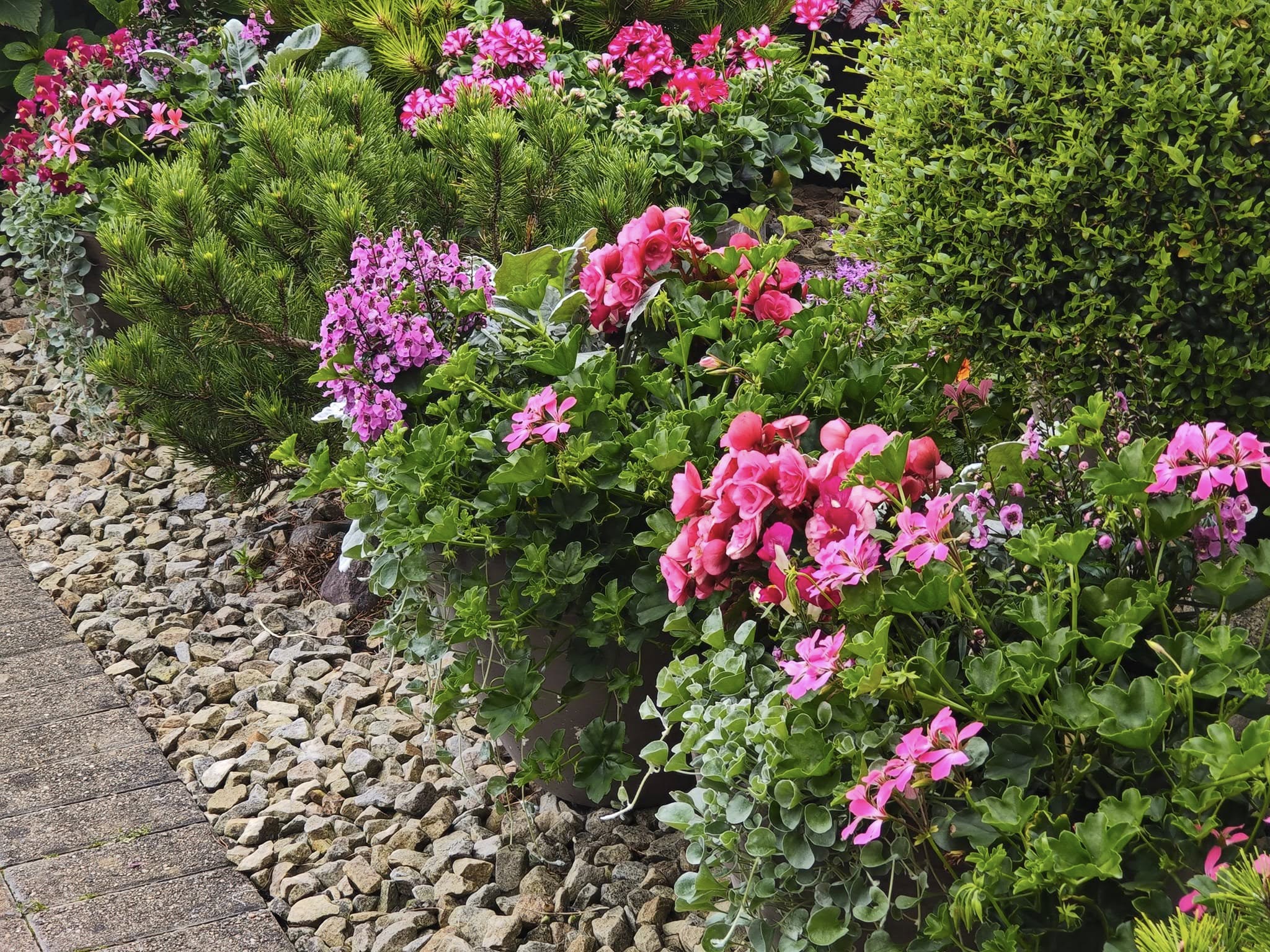
Containers are an easy way to add height, color, and flexibility. Use them to highlight entryways, porches, or walkways.
You can swap plants seasonally—spring bulbs, summer annuals, fall mums, and winter evergreens—to keep your landscape fresh without replanting entire beds.
Maintenance Tips for Long-Term Success
Layered landscapes don’t have to be high maintenance—but they do need planning.
- Choose plants based on mature size
- Prune annually to maintain shape and airflow
- Let plants grow together naturally instead of fighting them
The better your initial layout, the easier your landscape is to maintain over time.
Final Thoughts: Layering Is the Secret to Professional Curb Appeal
You don’t need a massive yard or a huge budget to create stunning curb appeal. You just need the right structure.
Plant layering transforms ordinary landscapes into cohesive, welcoming spaces that feel intentional and polished. Start with one bed, build your layers thoughtfully, and expand as time and budget allow.

Hey there, I’m Derek Schew, a writer for Lawnholic.com, where we cover everything and anything related to lawns. As someone who’s spent countless hours tending to my own lawn, I’m passionate about sharing my knowledge and helping others achieve the perfect yard. From lawn care tips to product reviews, I’m committed to providing our readers with the most accurate and up-to-date information available. So whether you’re a seasoned lawn enthusiast or just getting started, I invite you to join our community and discover the joys of a lush, green lawn.